
Tip & Trick
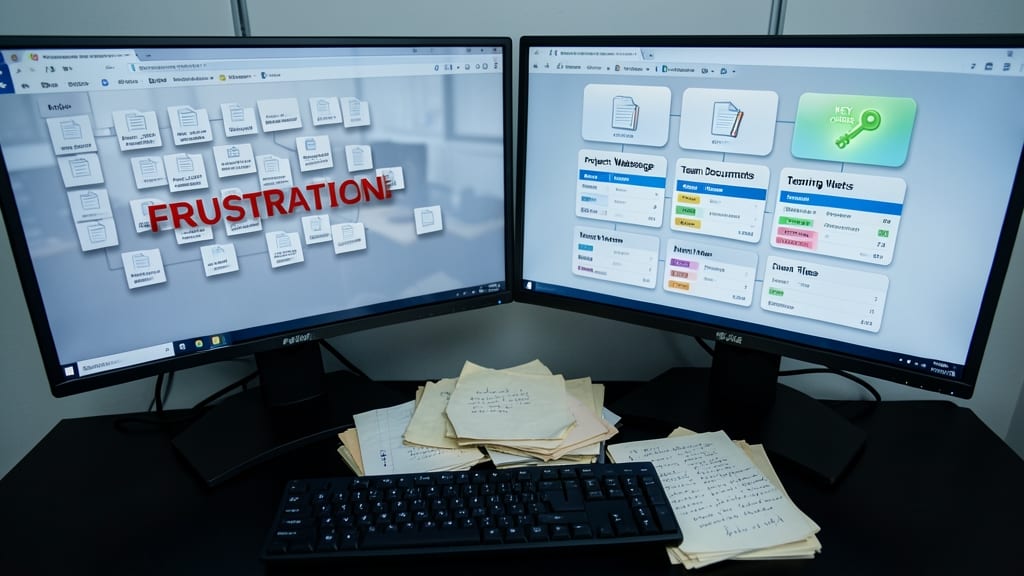
Mastering SharePoint can transform how you collaborate, but beginners often feel overwhelmed by its complexity. These eight essential tips will help you leverage Microsoft’s Power Platform like a pro—starting with quick, actionable wins that save time and boost productivity.
Understanding SharePoint Site Structure Basics
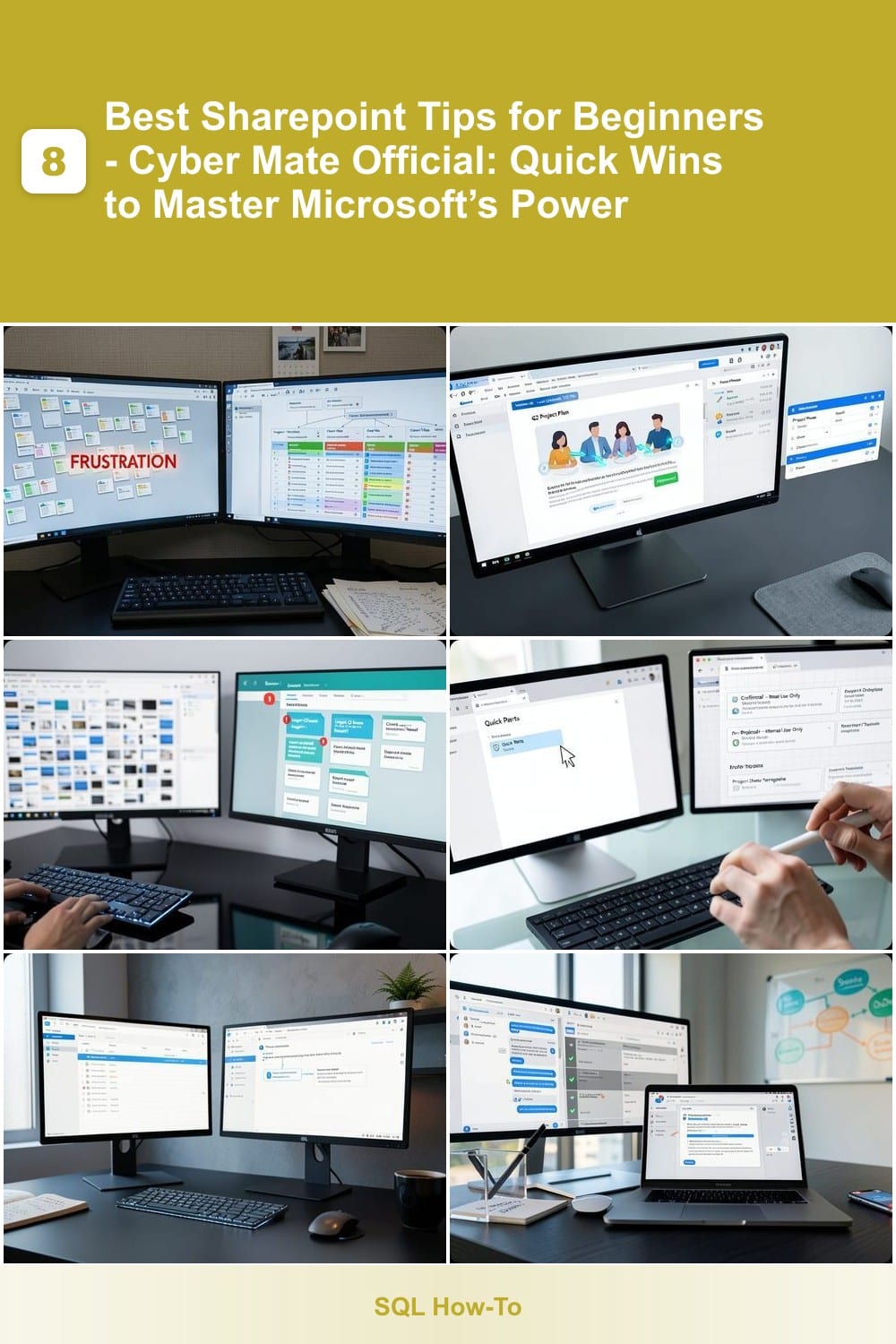
Frustrated by SharePoint’s maze of files where nothing seems labeled or organized? The key to avoiding chaos lies in understanding how sites, libraries, and lists work together—each serving a distinct purpose in your digital workspace.
A SharePoint site acts as your central hub (think "project workspace" or "department portal"), while document libraries store files with versioning and metadata. Lists, on the other hand, organize structured data (like tasks or contacts) with customizable columns. For example, store contracts in a library with metadata like "Client Name" and "Expiry Date," while tracking approvals in a list with status columns. This separation prevents file overload and makes searches lightning-fast.
This structure is ideal for project teams or department heads managing multiple initiatives. Start by creating one well-organized site for your next project—you’ll wonder how you ever worked without it. 💡
Leveraging Modern Document Libraries
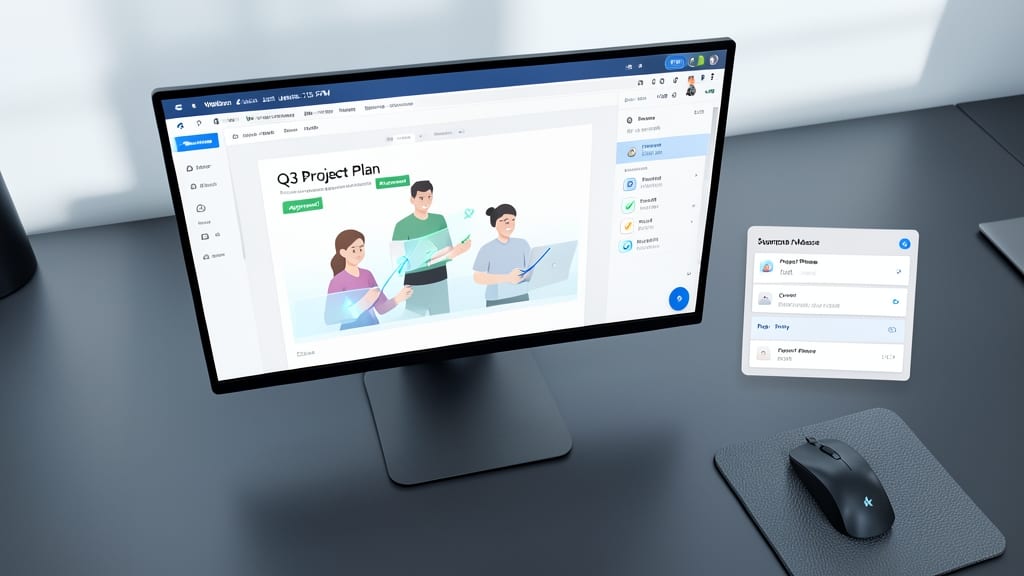
Struggling to keep track of document versions or coordinate edits across teams? SharePoint’s modern document libraries transform chaos into clarity with built-in metadata tagging, version control, and real-time co-authoring—all without leaving the platform.
Add custom metadata columns (like "Project," "Owner," or "Status") to files, then filter or sort instantly. Need to track changes? Enable versioning to restore previous drafts with one click. The co-authoring feature lets multiple users edit the same Word or Excel file simultaneously—conflicts resolved automatically. For example, a marketing team can tag all campaign assets with "Q3 Launch" while HR categorizes onboarding docs by "Department."
This is ideal for cross-functional teams or remote workers who need to collaborate without version headaches. Start by enabling metadata on your next library—your future self will thank you. ⚡
Creating Custom Views for Faster Searches
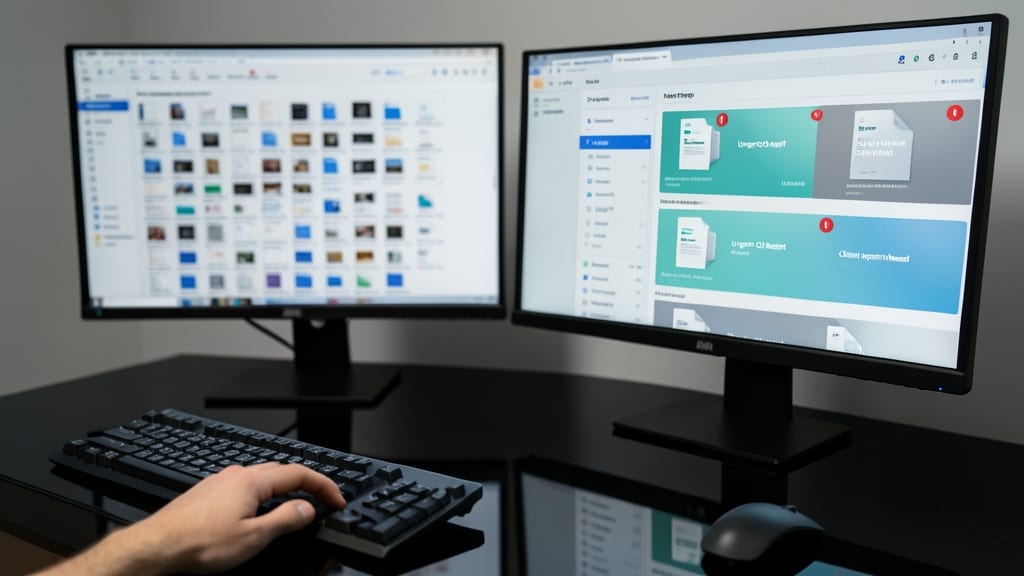
Tired of scrolling through endless lists to find that one critical document? Custom views in SharePoint let you tailor how data appears—so you only see what matters most, when you need it.
Create views with filters like file type (PDF only), modified date (last 7 days), or custom metadata (priority = "High"). Sort by name, date, or size, and even group items by columns (e.g., department or project). Save these views for quick access—no more digging through clutter. Best of all, you can share them with your team for consistent organization.
Perfect for project managers juggling deadlines or HR teams tracking employee files. With just a few clicks, you’ll turn chaos into clarity. ✨
Mastering Quick Parts and Snippets
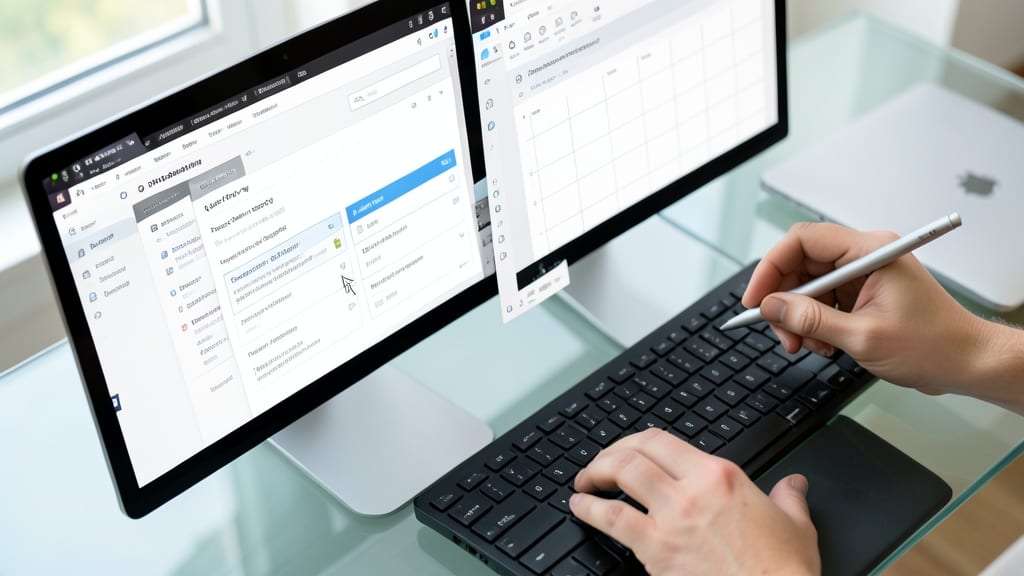
Tired of retyping the same disclaimers or headers in every SharePoint document? Quick Parts and Snippets are your secret weapon for consistency and speed—no manual copy-pasting required.
With Quick Parts, save reusable blocks like legal footers, project templates, or standard paragraphs directly in your SharePoint pages. Snippets take this further by letting you insert pre-formatted text with a single click, complete with styling and placeholders. The best part? These reusable elements sync across your site, so updates propagate instantly—no more chasing outdated versions.
This tip is a game-changer for content managers, HR teams, or anyone drafting repetitive documents. Spend less time typing and more time refining what matters. ✨
Using Power Automate for Automated Workflows
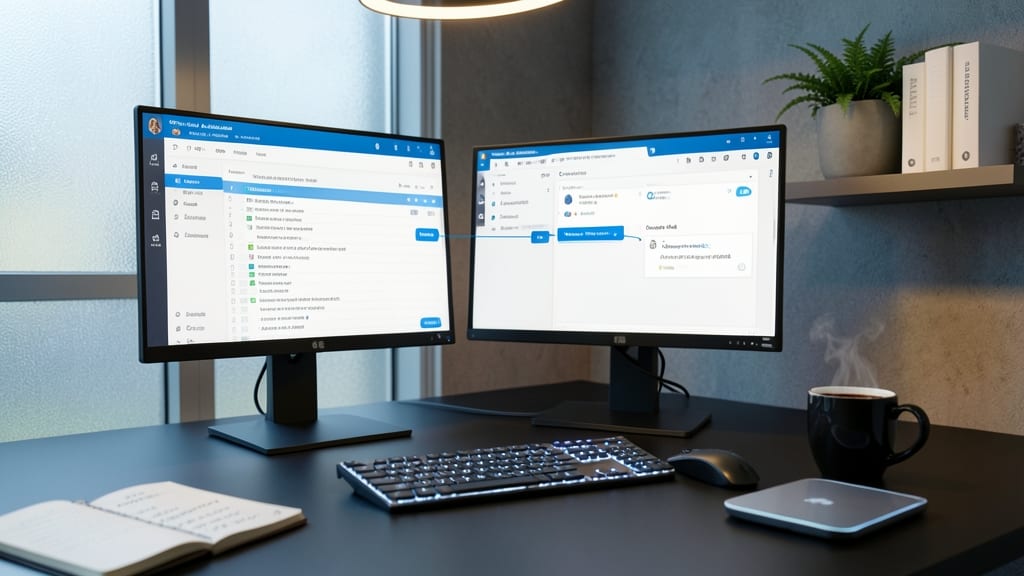
Tired of manually chasing down approvals or sending the same notifications daily? Power Automate turns repetitive tasks into automated workflows with just a few clicks—no coding required.
Start with a SharePoint trigger (like a new item in a list) and chain actions like sending email alerts, updating records, or routing approvals. Pre-built templates cover common scenarios, from expense reports to customer onboarding, while the visual designer lets you tweak logic intuitively. For example, auto-notify managers when a document is uploaded to a specific library—zero manual follow-ups.
Perfect for project managers or admins drowning in approval emails, or small teams needing to standardize processes. Give it a try with a simple workflow today! ✨
Collaborating with SharePoint Teams and Channels
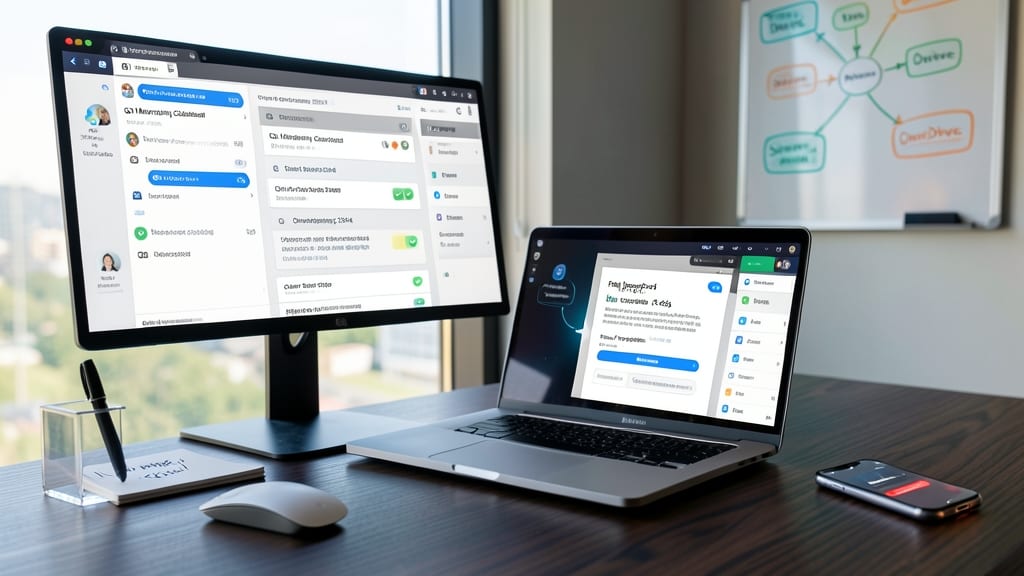
Tired of digging through endless email chains to find the latest project files? Microsoft Teams and SharePoint integration merges chats, files, and tasks into one seamless hub, so your team stays aligned without the clutter.
Create a Team channel linked to a SharePoint document library, and every file shared in the chat automatically syncs—no more version confusion. Use @mentions to tag teammates in conversations tied to specific files, and pin critical docs directly in the channel for instant visibility. The Tasks tab in Teams even pulls to-dos from SharePoint lists, so deadlines never slip through the cracks.
This setup is a game-changer for remote teams or departments juggling multiple projects, where context and accessibility matter most. 💻
Securing Content with Permission Levels
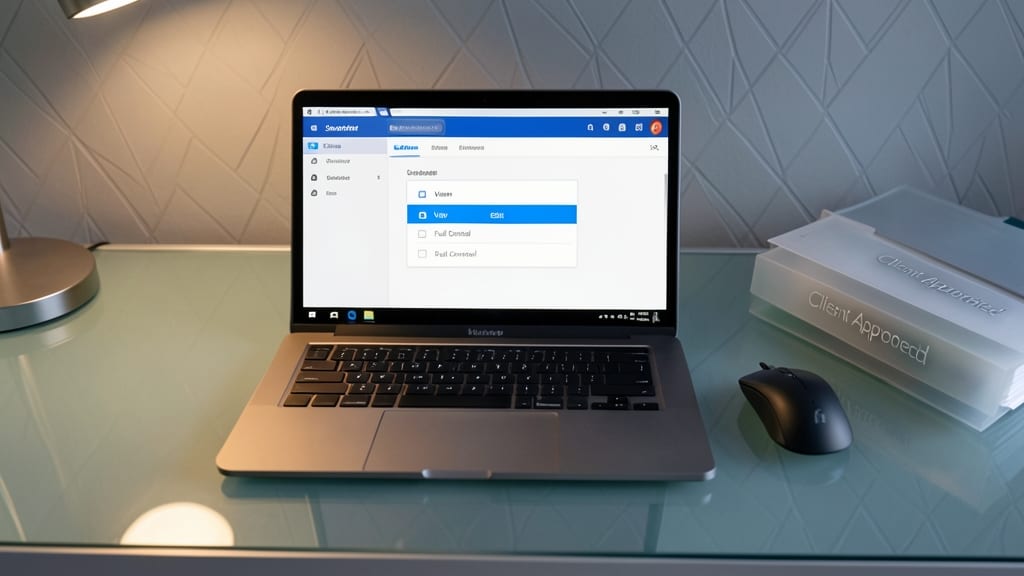
Worried about sensitive files falling into the wrong hands? SharePoint’s permission levels let you control access down to the individual folder or document—without sacrificing transparency.
Start by assigning View, Edit, or Full Control permissions to users or groups. Use inheritance to apply settings across libraries, then break inheritance for specific folders when needed. SharePoint also tracks changes via the audit log, so you’ll always know who accessed what—and when.
This is perfect for teams handling contracts, HR records, or client data. With just a few clicks, you’ll lock down critical files while keeping collaboration smooth for authorized users. ✨
Syncing SharePoint Libraries to Your Device

Tired of waiting for files to load when you’re offline or on a slow connection? SharePoint’s Sync feature lets you mirror entire libraries to your device, keeping critical files ready to access—even without an internet connection.
With just a few clicks, you can sync entire document libraries (up to 50,000 items) to your Windows, macOS, or mobile device, ensuring seamless offline work. Changes sync automatically when you reconnect, and you can even select specific folders to save space. The SharePoint mobile app extends this functionality, letting you access synced files on the go via your smartphone.
Perfect for remote workers, frequent travelers, or teams with limited bandwidth, syncing libraries turns SharePoint into a portable workspace—no more last-minute scrambles to find files. ✨