
PowerPoint
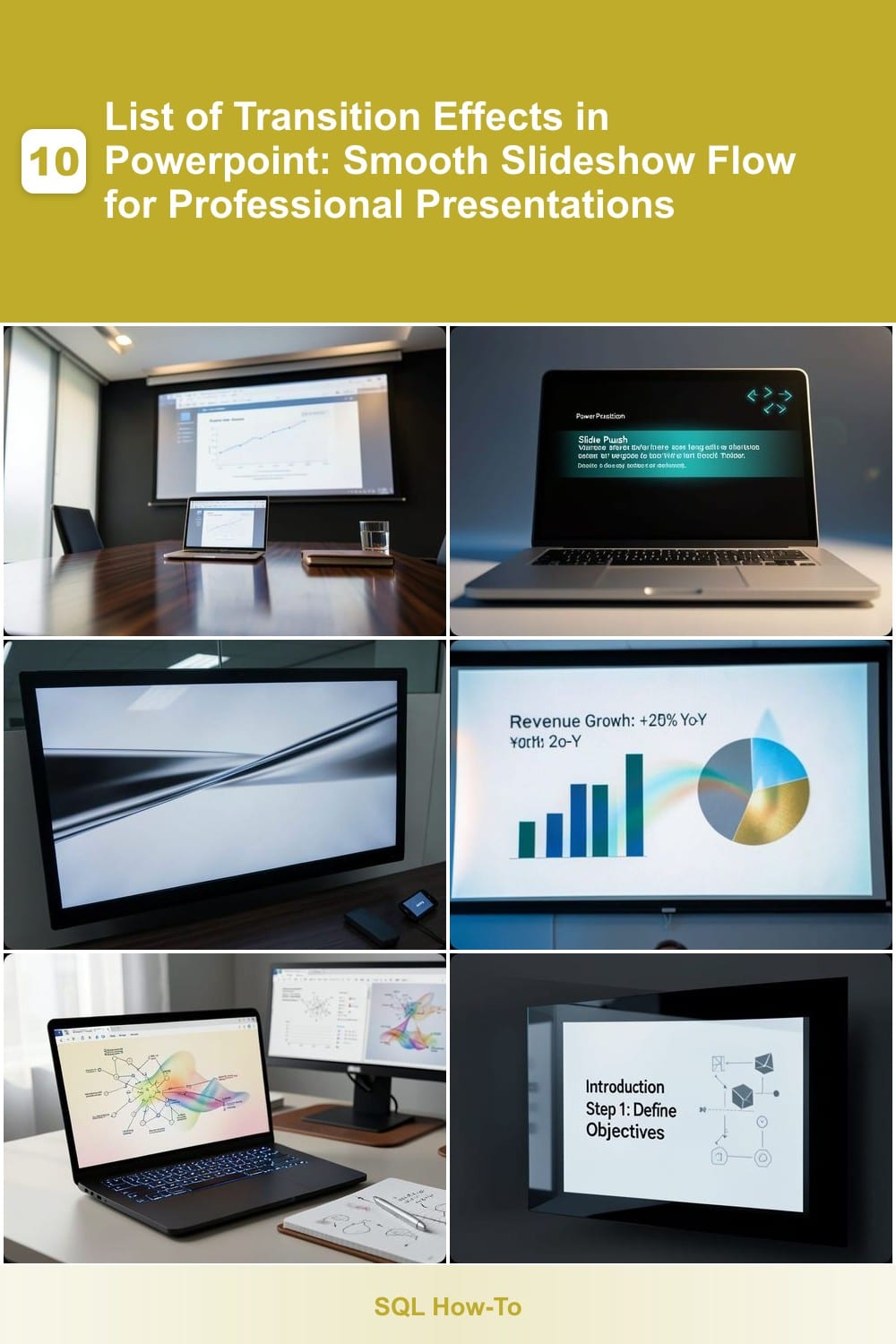
Want to make your PowerPoint presentations more engaging and professional? These seven transition effects will elevate your slideshow flow, keeping your audience focused and your content impactful—without looking amateurish.
Fade Slide Transition for Elegant Simplicity
For boardrooms and lecture halls, the Fade transition strikes the perfect balance between sophistication and subtlety. Unlike flashy animations, it smoothly dissolves one slide into the next, ensuring your audience stays focused on your message—not the visual spectacle.
Available in PowerPoint 2016 and later, this transition works seamlessly across Windows and Mac, with customizable timing (0.1s to 10s) and sound effects. Its minimalist approach avoids overstimulating viewers, making it ideal for data-heavy slides or executive summaries where clarity is critical.
Perfect for corporate reports, academic lectures, or investor pitches, the Fade ensures your content shines without competing for attention. ✨
Slide Push Transition for Dynamic Movement
Tired of static slides that feel like a page-turner? The Slide Push Transition injects movement by sliding one slide horizontally or vertically into view—think of it as a digital director’s cut for your presentations.
With six preset directions (left, right, up, down, and two diagonal options), you control the pacing to match your narrative. The effect works seamlessly in PowerPoint 2016 and later, including the desktop and online versions, and pairs well with custom timings for precise storytelling control. For extra flair, combine it with sound effects (like a subtle "whoosh") to reinforce transitions.
This transition shines in creative pitches, training modules, or keynotes where you want to guide attention—like revealing a solution slide after a problem statement. Just avoid overusing it in data-heavy decks where clarity should take center stage. ✨
Wipe Transition for Clean Visual Breaks
Need to signal a clear shift between sections in your presentation? The Wipe transition delivers a bold, directional break that’s impossible to ignore. Unlike subtle fades or smooth pushes, this effect uses a sweeping line (left, right, up, or down) to visually "cut" from one slide to the next, instantly communicating a transition between topics like agendas, case studies, or key milestones.
Available in PowerPoint 2013 and later, this transition offers four directional options (horizontal or vertical) and pairs well with sound effects for added emphasis. The sharp visual contrast makes it ideal for presentations where structure matters—think client demos or board meetings where you want to underscore a shift in focus without losing the audience’s attention.
Perfect for professionals who need to maintain clarity and control, the Wipe transition works best when used sparingly—like bookending sections or highlighting major pivots in your narrative. ⚡
Zoom Transition for Highlighting Key Slides
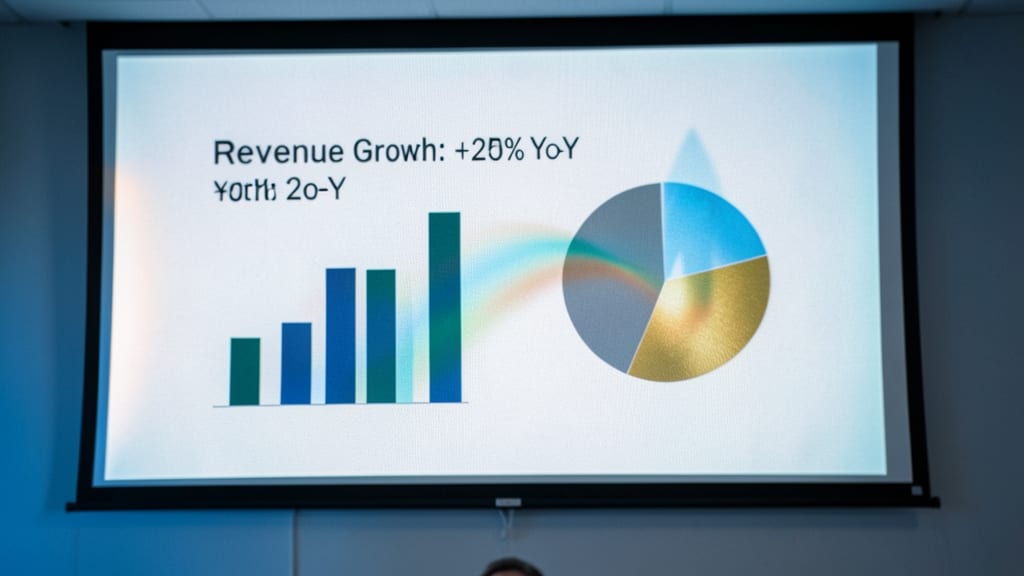
Need to make sure your audience sees the big reveal? The Zoom transition turns your key slides into a dramatic focal point by smoothly zooming in or out—perfect for emphasizing data-driven conclusions or impactful visuals in sales decks.
With customizable zoom speed and direction (in or out), you control the intensity of the effect. Pair it with a timed animation (e.g., 2 seconds) to let your audience absorb the moment before moving on. Works flawlessly in PowerPoint 2016 and later, including the desktop and online versions.
This transition shines in analytical or persuasive presentations where you want to underscore a pivotal slide—like a closing argument or revenue chart. Just don’t overuse it, or you’ll lose the impact. ✨
Morph Transition for Seamless Content Flow
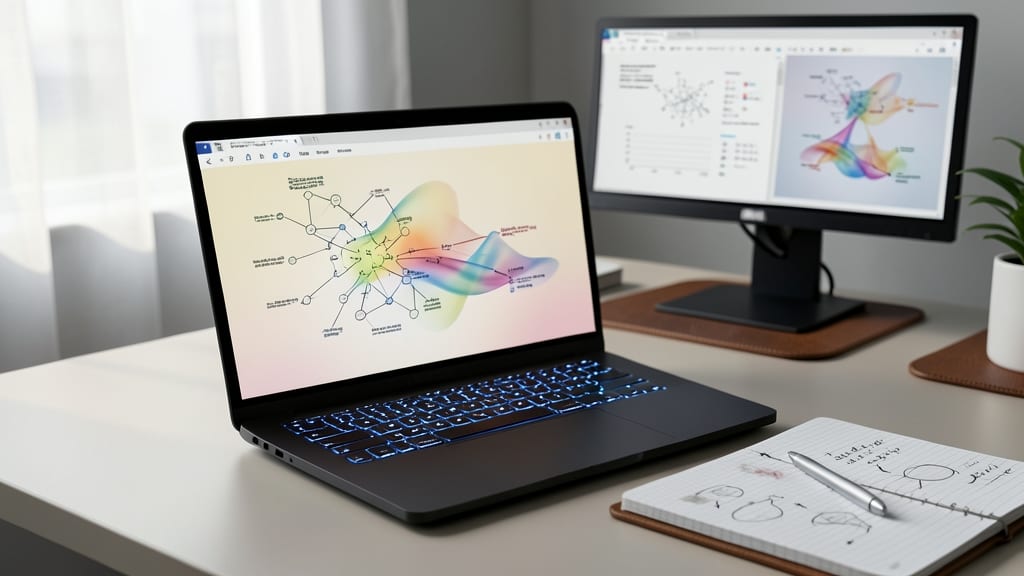
Struggling to keep your data-heavy presentations flowing naturally? The Morph transition in PowerPoint is your secret weapon for seamless storytelling—especially when visual continuity matters most.
Unlike abrupt cuts or directional movements, Morph fluidly animates shapes, text, and objects from one slide to the next, ensuring no jarring breaks. It’s ideal for financial reports or complex workflows where you need to maintain visual context while transitioning between slides. The effect works best with similar slide layouts (e.g., charts evolving into tables) and supports smooth timing adjustments for polished pacing.
Perfect for analysts, educators, or anyone presenting technical content—just avoid overusing it in fast-paced talks where clarity trumps visual flair. ✨
Box In/Out Transition for Structured Presentations
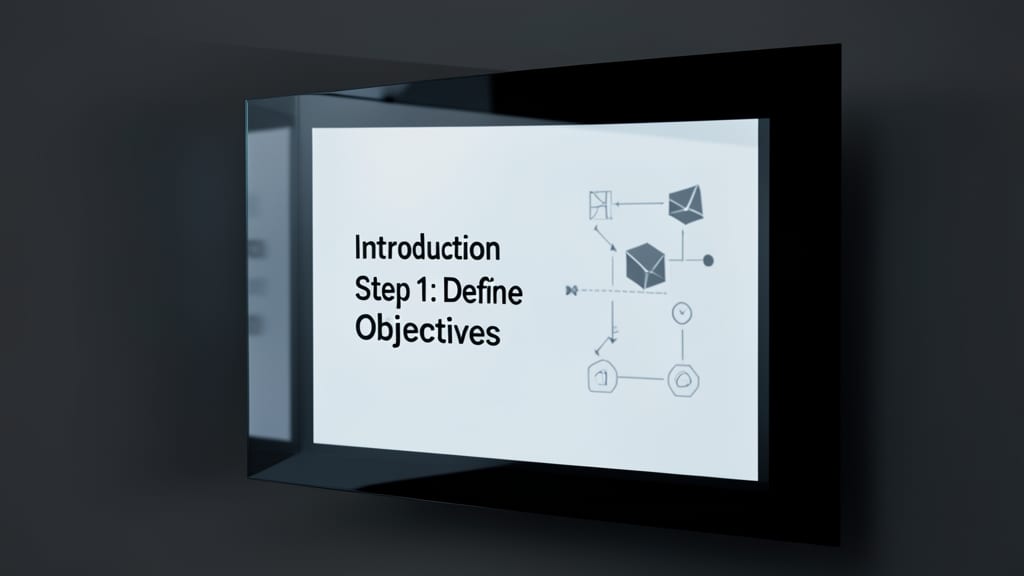
Need to guide your audience through a step-by-step process—like a tutorial or workflow breakdown? The Box In/Out transition is your secret weapon. Unlike flashy effects, it frames slides with a clean, expanding box, creating a visual "container" that subtly signals progression or containment of information.
This transition works by either expanding a box inward (Box In) or outward (Box Out) to reveal the next slide. It’s built into PowerPoint 2013 and later, including the latest 365 version, and pairs perfectly with timed animations for polished training modules. The effect’s structured feel makes it ideal for technical walkthroughs or process-heavy presentations where clarity matters most.
Trainers, educators, and project managers will love this transition for its professional yet approachable vibe. Just avoid overusing it—save it for slides where you want to emphasize order and sequence. ✨
Random Bars Transition for Creative Energy
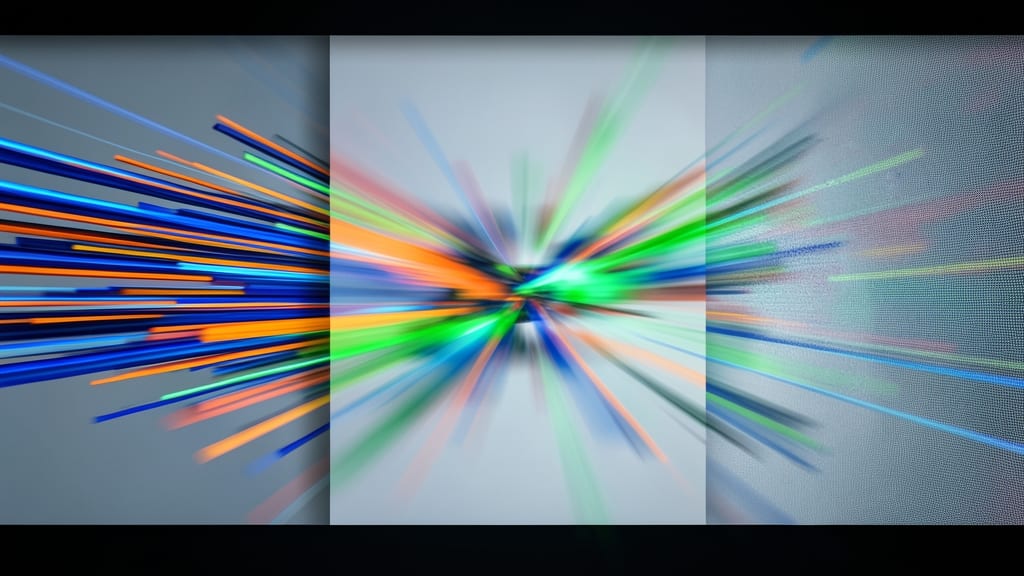
Tired of the same old slide transitions? The Random Bars effect injects dynamic energy into your presentations with its unpredictable, colorful bar sweeps—perfect for breaking the monotony of traditional slideshows.
This transition features randomly sized bars that sweep across the screen in different directions, creating a vibrant, almost abstract effect. You can customize the bar colors, speed, and direction to match your presentation’s vibe, making it ideal for brainstorming sessions or creative pitches where you want to keep your audience engaged. Plus, it’s easy to apply via the Transitions tab in PowerPoint.
Marketers, startup founders, and team leads will love this effect for its playful yet professional edge—just avoid overusing it in formal settings. ✨