
Tip & Trick
Mastering keyboard shortcuts can transform your productivity—but few know the power of symbols starting with 'A'. These 10 underused symbols help speed up typing, formatting, and coding while keeping your workflow seamless across Windows, macOS, and Linux.
At Symbol (@) for Email Addresses

The at symbol (@) might look like a simple punctuation mark, but it’s the backbone of modern digital communication. Whether you’re typing an email address, a social media handle, or a username, this symbol is non-negotiable for online identity and connectivity.
Found on nearly every keyboard, the @ symbol is used universally in email addresses (e.g., user@domain.com) and social media handles (e.g., @username). It’s also critical for programming (e.g., decorators in Python) and data formats (e.g., CSV files). Typing it is effortless—just press Shift + 2 on most keyboards.
From freelancers managing client emails to developers debugging code, this symbol saves time and avoids confusion. Mastering it means smoother digital interactions every day. ⚡
Angle Quotation Marks (« ») for Formal Documents
Tired of generic quotation marks ruining the professional tone of your documents? Angle quotation marks (« »)—also called "guillemets"—are the secret weapon for lawyers, academics, and European publishers, offering a polished alternative to standard quotes.
Unlike standard quotes (" "), these symbols nest perfectly for multi-layered citations in Microsoft Word (Alt+0174 for «, Alt+0187 for ») or Google Docs (Ctrl+Alt+[ for «, Ctrl+Alt+] for »). They’re also the default in French, Spanish, and Portuguese typography, instantly elevating your writing’s credibility. For example, a legal contract with nested quotes reads like this: «As the court ruled, “precedent matters.”»
Perfect for legal briefs, academic papers, or multilingual documents, these marks ensure your work aligns with international standards. ⚡
Ampersand (&) for Abbreviations and Branding
The ampersand (&) isn’t just a throwback to typewriters—it’s a powerhouse for modern branding, legal docs, and abbreviations. From McDonald’s to AT&T, this symbol condenses phrases into sleek, recognizable logos while saving space in contracts, social media bios, and marketing copy.
You’ll find it in Unicode (U+0026) for digital use, and it’s easy to type on most keyboards (Shift+7 on QWERTY). Designers love it for logo creation (think B&Q or F&B), while lawyers rely on it to shorten terms like "and/or" in legalese. Even in plain text, it adds a professional touch to bullet points or lists.
Marketers and content creators will appreciate how it reinforces brand identity—just look at KFC’s iconic "Finger Lickin’ Good" tagline. For anyone drafting corporate documents or managing social media profiles, this symbol is a time-saver with style. ✨
Section Symbol (§) for Legal and Academic Texts
Need to organize dense legal briefs or academic papers without cluttering them with numbers? The section symbol (§) is your secret weapon—used in contracts, manuals, and scholarly works to denote distinct sections cleanly and professionally.
Unlike numbered headings, the § symbol avoids confusion in long documents and aligns with formal writing conventions. In Microsoft Word, type it via Alt + 0167 (Windows) or Option + 6 (Mac). For LaTeX users, \S inserts it automatically, while technical writers often embed it in Markdown via HTML entities (§).
Lawyers, researchers, and documentation teams rely on it to maintain clarity in multi-page documents—no more guessing which section refers to which clause. ⚡
Accented Letters (À, Á, Â, etc.) for Multilingual Typing
If you’ve ever struggled to type À, É, or Ñ without fumbling through keyboard layouts, these accented letters are your secret weapon. Whether drafting emails in French, citing Portuguese sources, or writing Spanish reports, these symbols ensure your text looks professional—and grammatically correct—without switching input methods.
Most modern keyboards support dead keys (like the ´ or keys) to create accents on the fly. For example, pressing + E yields È, while ´ + N gives Ñ. On Windows, enable the US International keyboard layout, and on macOS, use the Option + letter shortcuts (e.g., Option + E for É). These work seamlessly in Word, Google Docs, and coding environments like VS Code.
For bilingual professionals, students, and content creators, these shortcuts save time and avoid awkward workarounds. No more copying from external sources—just type naturally, no matter the language. ✨
Arrow Symbols (← → ↑ ↓) for Diagrams and Flowcharts

Need to visualize processes faster? The arrow symbols (← → ↑ ↓) are the unsung heroes of technical communication, letting you map workflows, UI interactions, or algorithm steps with precision in tools like Figma, Visio, or Lucidchart.
These four symbols aren’t just decorative—they’re Unicode characters (U+2190 to U+2193) that integrate seamlessly into diagrams. Use ← for backtracking in flowcharts, → for sequential steps, and ↑/↓ for hierarchical relationships. In Figma, they auto-align with smart guides, while in Mermaid.js, they render as crisp SVG paths for documentation.
Perfect for developers documenting APIs, UX designers prototyping navigation, or educators explaining logic gates. Bookmark these for your next wireframe session—they’ll cut diagram time in half! ✨
Asterisk (*) for Bulleted Lists and Wildcards
Tired of manually typing "•" for bullet points? The **asterisk (*)** is your secret weapon for clean, fast formatting in Markdown, GitHub, and documentation tools like Obsidian.
In Markdown, a single before text creates a bullet point—no extra symbols needed. For developers, it’s also the go-to wildcard in SQL queries (e.g., SELECT FROM users) or regex patterns. Combine it with underscores for bold text or double asterisks for italics, all in one keystroke.
This dual-purpose symbol is a must-know for writers drafting lists, developers querying databases, or analysts parsing data—no extra plugins required. ✨
Alt Code Symbols (Alt + Numbers) for Special Characters

Tired of hunting through character maps for symbols like ® (registered) or ™ (trademark)? Alt codes let you type special characters instantly using just your numeric keypad—no copy-pasting or font switching required.
Hold down Alt on your numeric keypad, type the 4-digit code (e.g., 0174 for ® or 0153 for ™), then release Alt. Works in Windows and most programs (Word, Excel, browsers). Need a copyright symbol (©)? Try 0169. This method is a game-changer for legal docs, branding guides, or even social media bios.
Perfect for freelance writers, legal teams, or anyone who frequently uses symbols like ° (degree), ± (plus/minus), or € (euro). Save hours of manual searching! ✨
Angle Brackets (< >) for HTML and Coding
If you’ve ever written a single line of HTML, you’ve already used these invisible workhorses: angle brackets (< >). They’re the backbone of every website, wrapping tags like <html>, `
` to define structure, styling, and behavior—making them non-negotiable for front-end developers and markup language enthusiasts.
In HTML, they enclose elements (<body>, <a href="...">), while in CSS, they denote selectors (`
For beginners learning web dev or seasoned coders debugging legacy systems, angle brackets are the first lesson—and the last line of defense against broken layouts. 💻
Alpha Symbol (α) for Mathematics and Science
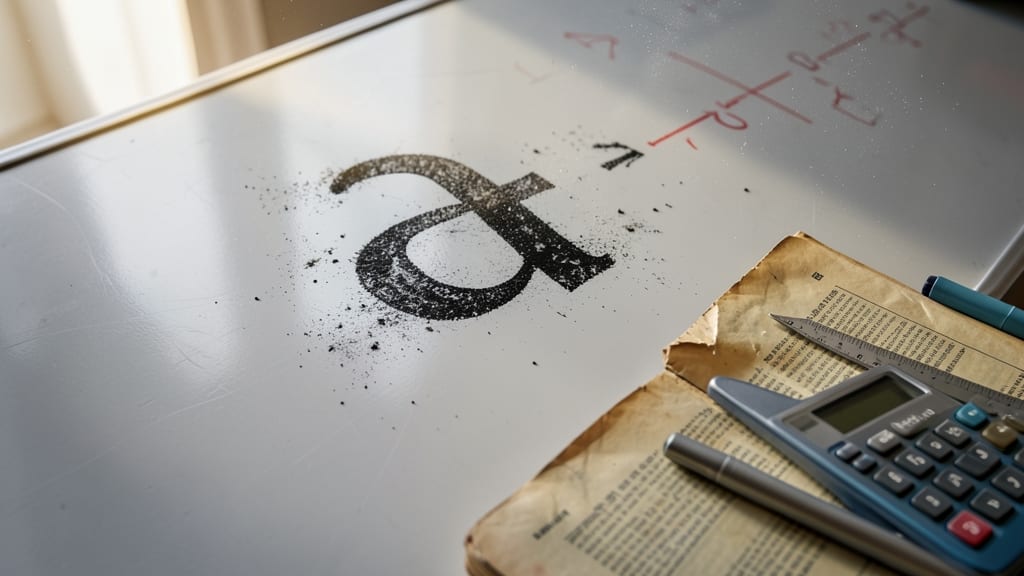
If you’ve ever scribbled equations on a whiteboard or debugged a physics formula, the alpha symbol (α) is your go-to Greek letter. In STEM fields, it represents everything from angular acceleration in mechanics to statistical significance levels in research papers—making it indispensable for precision.
On most keyboards, you can type it using Alt + 945 (Windows) or Option + Shift + A (Mac). In LaTeX, simply type \alpha for seamless integration into documents. Engineers use it for coefficients of friction, while statisticians rely on it to denote Type I error rates—critical for hypothesis testing.
Perfect for students crunching numbers or professionals drafting technical reports, this symbol bridges theory and practice with just one character. ✨