
Troubleshooting
Posting too much online can expose you to serious risks beyond just embarrassment. These 10 dangers of oversharing on social media reveal how your personal details could be weaponized against you—from identity theft to workplace discrimination—and how to protect yourself.
Identity theft through location tags
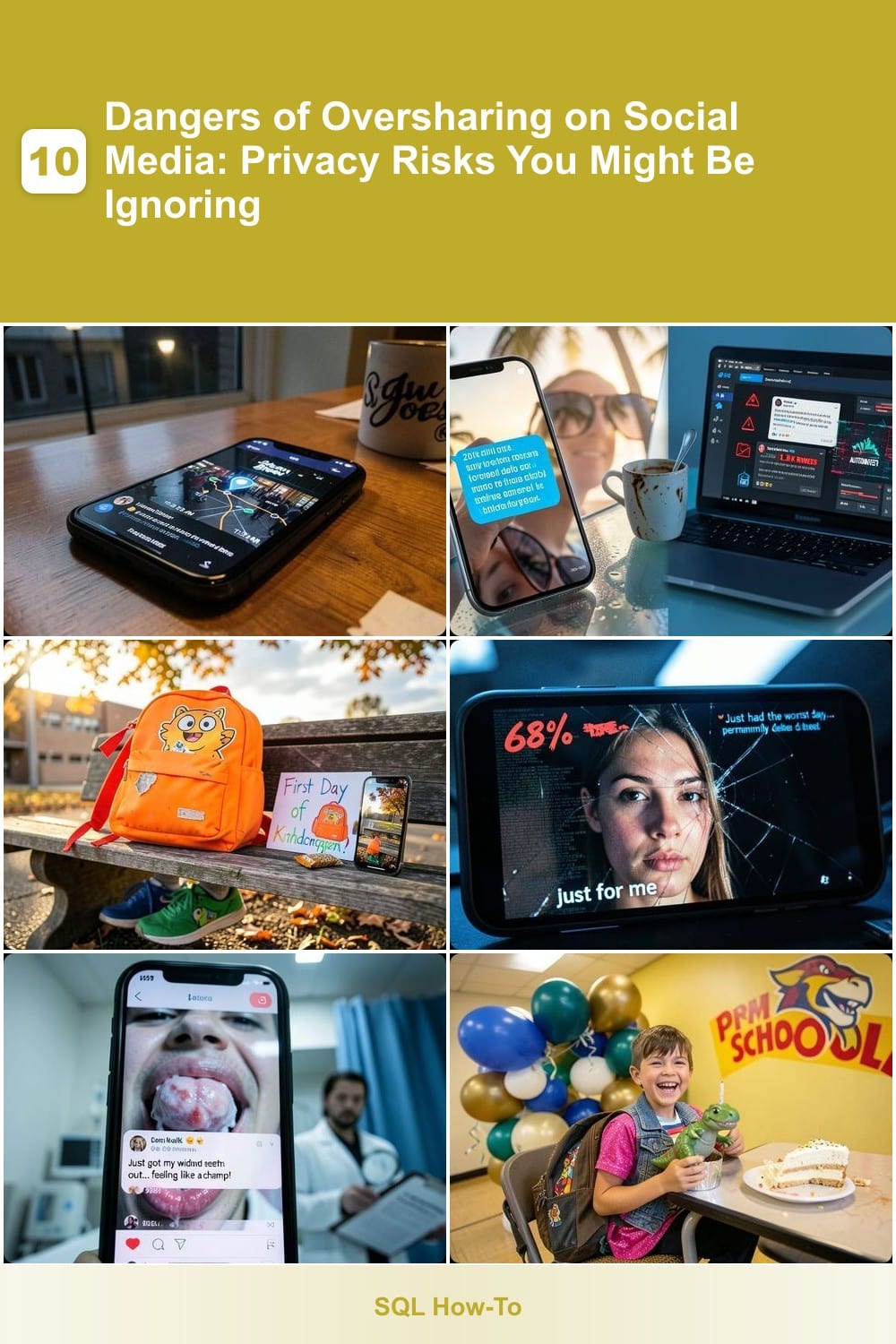
Your smartphone’s location-sharing features—like Instagram check-ins or Facebook Stories—might seem harmless, but they’re essentially broadcasting your whereabouts in real time. Criminals use this data to plan burglaries, stalking, or even identity theft, especially when you’re away from home.
Apps like Find My Friends or Google Maps timelines can expose your daily routines, while geotagged photos reveal empty homes during vacations. Even "check-ins" at gyms or coffee shops create patterns that predators exploit. A 2023 FBI report found that 60% of home burglaries targeted properties where owners advertised vacations online.
Frequent travelers, empty-nesters, or anyone with a predictable routine should disable location services for non-essential apps and avoid tagging exact locations. A simple setting tweak could keep your home—and your identity—secure. 🌟
Employment discrimination from job-seeking posts
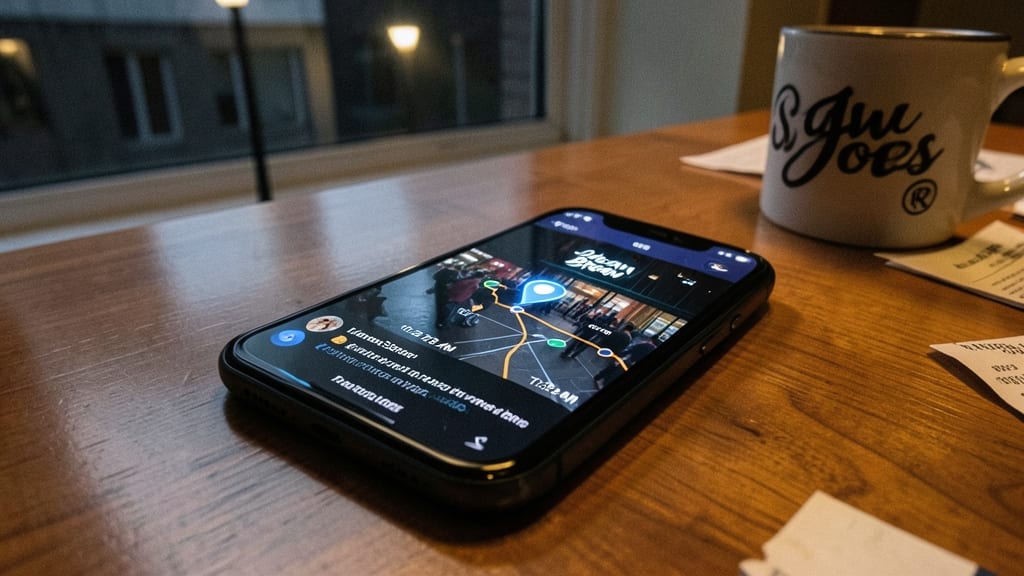
Your dream job might hinge on a single post you thought was harmless. A political rant from 2016, a salary negotiation complaint, or even a beach vacation selfie during a hiring freeze can trigger automated HR filters before your resume is even reviewed.
Recruiters now use AI-powered screening tools like HireVue or Pymetrics to scan profiles for keywords, tone, and even implied lifestyle choices. A 2023 Society for Human Resource Management (SHRM) report found that 72% of companies check social media before interviews—with 43% rejecting candidates over perceived red flags. Even seemingly innocent posts, like complaining about your last job or sharing details about your 401(k) balance, can raise eyebrows in finance or competitive tech roles.
Job seekers in tech, healthcare, and law face the highest scrutiny, where even a single controversial post can derail opportunities. The fix? Use private profiles, disable activity broadcasts, and avoid tagging employers in posts—especially when applying internally. 💻
Phishing attacks using personal stories
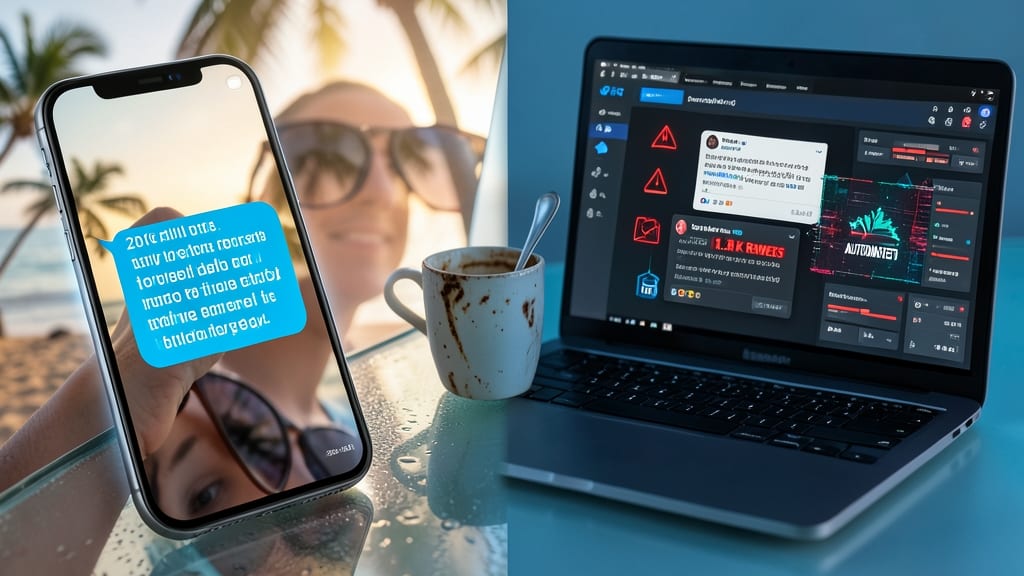
That vacation photo of your kid’s first day at school might seem harmless—but cybercriminals use it to craft hyper-personalized phishing emails that trick you into clicking malicious links. A study found these scams succeed 3x more often when referencing your family, pets, or travel plans from your posts.
Scammers might send an email like "Hey, remember our trip to Disney? Your passport renewal is overdue—click here!" using details from your public timeline. Even seemingly innocent posts—like your dog’s name or your child’s school—can be weaponized to bypass security questions. Multi-factor authentication (MFA) and email verification tools like DMARC can help, but the first line of defense is limiting what you share publicly.
Parents, pet owners, and frequent travelers are especially vulnerable—always double-check sender addresses before clicking, even on messages that seem urgent or emotional. 💻
Blackmail material from private moments
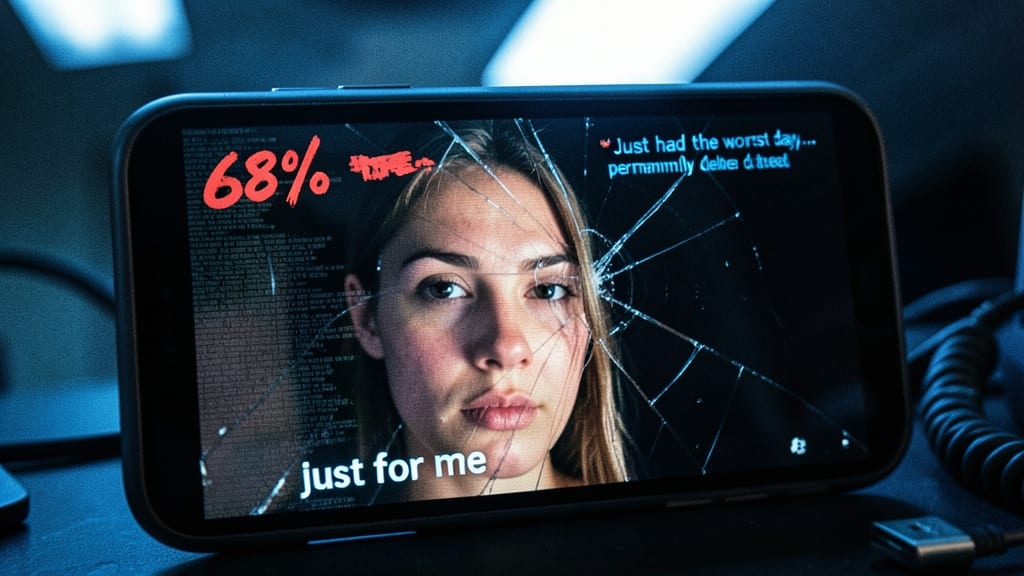
That "just for me" photo or emotional status update might seem harmless in the moment—but once it’s online, it never truly disappears. 68% of sextortion cases begin with overshared content, turning private struggles into blackmail leverage for hackers, ex-partners, or even strangers.
Even after deletion, screenshots or cached data can resurface years later. Platforms like Snapchat’s "Memories" or Instagram’s archived stories store content indefinitely unless manually purged. A single vulnerable post can escalate into demands for money, favors, or even threats—especially if tied to financial or personal weaknesses.
This risk isn’t just for celebrities or public figures—anyone sharing intimate details risks exploitation. Parents, professionals, or creatives posting about personal challenges may find their words twisted against them. Always assume "private" posts can become public. ✨
Insurance fraud from health oversharing
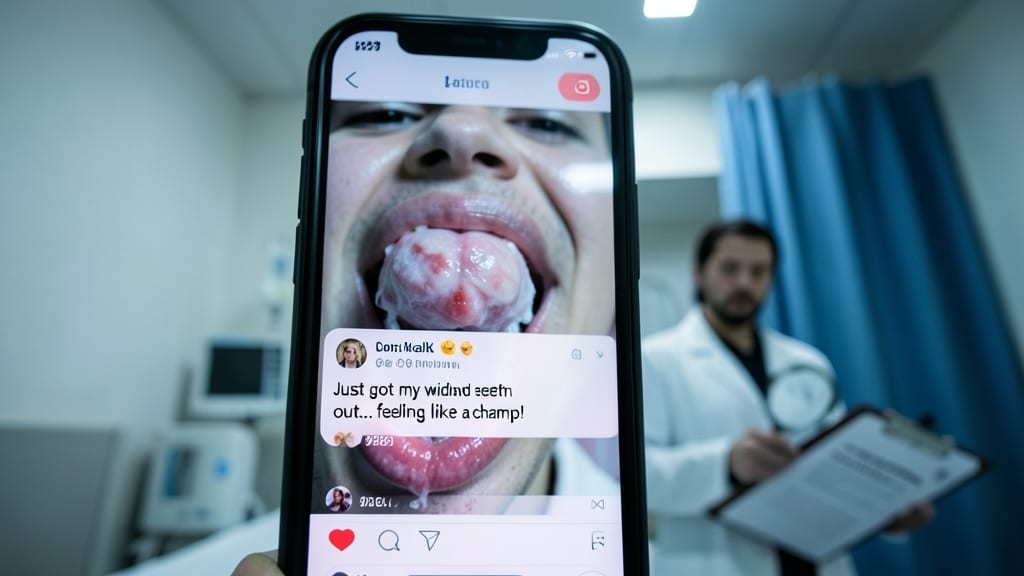
That "just got my wisdom teeth out" post might seem harmless, but it could cost you thousands in denied insurance claims. Insurers actively monitor social media for health-related updates—like surgeries, injuries, or chronic conditions—to dispute legitimate claims filed later, arguing pre-existing conditions or lack of severity.
Even a seemingly innocent status like "back from physical therapy" can trigger automated claim audits by insurers using tools like LexisNexis Risk Solutions or Verisk Analytics. Studies show 43% of denied claims involve digital evidence from social media, and once flagged, reversing the decision is nearly impossible without legal intervention.
This risk isn’t just for individuals—small business owners with group health plans are especially vulnerable, as oversharing by employees can invalidate entire coverage policies. Always assume your posts are being screened. ✨
Social engineering through family details

That birthday party photo of your kid with the school logo in the background might seem harmless—but it’s a goldmine for scammers. Posting details like school names, pet breeds, or even favorite toys gives criminals the tools to impersonate you or manipulate your family in urgent-sounding calls or messages.
Scammers use this info to create fake emergencies, like claiming your child is sick or your pet is injured, then demand money or personal details. Even seemingly innocent posts—like your child’s birthday date or school events—can be cross-referenced with other public data to craft convincing scams. A single overshared detail increases your risk of falling for these tactics.
Parents and pet owners are especially vulnerable—scammers target these groups knowing they’ll act fast under pressure. Double-check privacy settings and avoid posting real-time updates about family routines. 💪
Targeted advertising manipulation
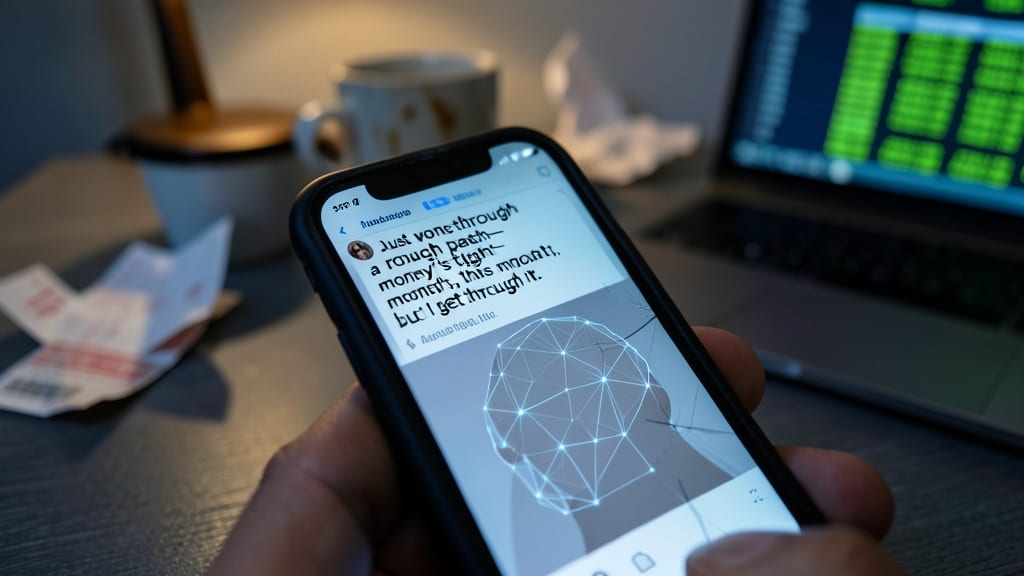
Ever casually mentioned a financial setback or relationship drama in a post? Those details aren’t just forgotten—they’re harvested by algorithms to predict your vulnerabilities. Platforms like Facebook and Instagram use machine learning models to analyze your posts, likes, and even emoji usage to profile you, then sell that data to advertisers specializing in predatory loans, payday advances, or even dating scams.
For example, if you post about a job loss or medical debt, expect a flood of high-interest loan offers within days. Dating apps may push paid memberships for profiles that mention loneliness. These ads aren’t random—they’re hyper-personalized, using your oversharing to exploit emotional or financial stress. Even "safe" topics like divorce updates can trigger ads for legal services or dating sites, often from shady operators.
This isn’t just annoying—it’s psychological manipulation. The more you share, the more algorithms refine their ability to trigger your fears or desires. Single parents, freelancers, or anyone facing financial instability are prime targets. The fix? Limit personal details in posts, use private accounts for sensitive topics, and never engage with suspicious ads. 💡
Legal liability from vacation posts

That "I'm living my best life" vacation post might seem harmless, but oversharing about your empty home or new luxury purchases could turn your trip into a legal nightmare. A single careless update can make you a target for lawsuits—or worse, home invasions—while you're away.
Consider the case of a homeowner sued for negligence after posting about leaving their vacation home unlocked while traveling. Courts have ruled that publicly advertising absence can create liability if break-ins occur. Even worse, criminals monitor social media for real-time updates—like checking into hotels or posting about expensive jewelry—to plan targeted thefts. One study found that vacation posts increase burglary risks by 300% during peak travel seasons.
If you must share your travels, use private stories or delay posts until you return. High-net-worth individuals and property owners should also enable smart home security alerts that notify them of suspicious activity while away. 💻
Mental health exploitation by algorithms

When you share details about your mental health struggles—like therapy sessions or medication—algorithms don’t just track them. They profit from them by selling your psychological profile to marketers and data brokers, often without your consent.
Platforms like Facebook and Instagram use natural language processing to analyze posts about anxiety, depression, or PTSD, then feed that data to third parties. Studies show these profiles are sold for as much as $50 per user, enabling targeted ads for questionable therapies or even predatory financial services. Worse, some brokers resell this data to employers or insurers, creating hidden biases.
If you’re managing mental health publicly, use private accounts or encrypted apps like Signal for sensitive discussions. Tools like Privacy.com can also mask your digital footprint from data collectors. 💡
Criminal profiling by law enforcement
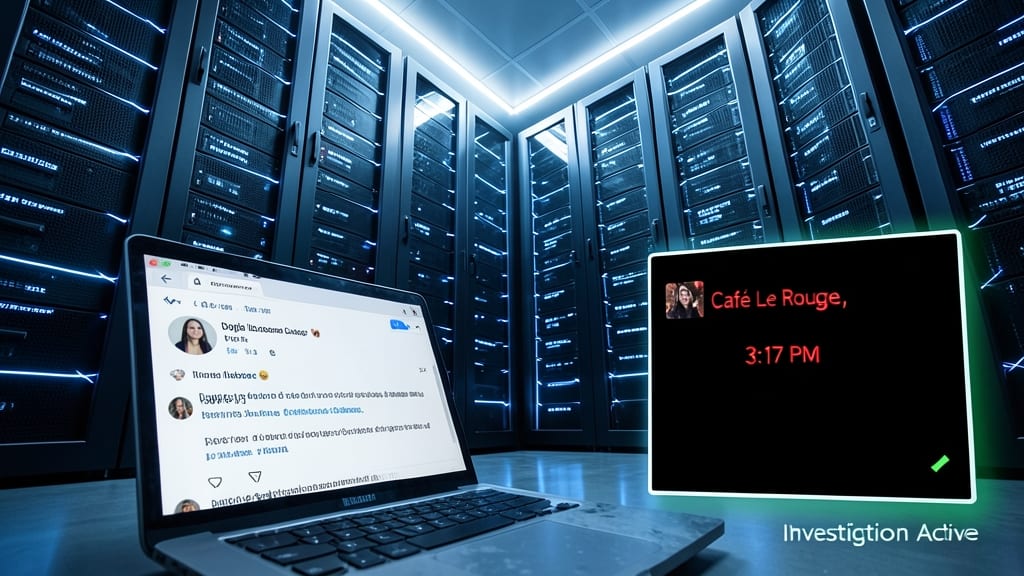
Your social media timeline isn’t just a personal journal—it’s a publicly searchable database that law enforcement can access during investigations. While police use these digital breadcrumbs to solve crimes, they also create permanent digital dossiers that could be misused if you’re ever investigated, even falsely.
Platforms like Facebook and Instagram retain posts indefinitely, and law enforcement can request data through subpoenas or warrants without your knowledge. A seemingly harmless post about your weekend hobbies or routine could be misinterpreted—especially if you’re later accused of a crime. Even deleted content can linger in third-party archives or be recovered via forensic tools.
This risk isn’t just for criminals—journalists, activists, or everyday users have faced scrutiny over oversharing. If you’re concerned, audit your privacy settings and consider archiving sensitive posts before they become evidence. 🖥️